Swimming Training Plans & Programs You Can Track and Improve
Show swimmers how training plans are built, the difference between a plan and a program, and how to use data to track and level up their performance.
Many swimmers start with a swimming training plan full of motivation. They download a swimming training plan PDF, save it on their phone, or follow a routine shared online. For the first few weeks, everything feels exciting. But soon, confusion sets in. Am I improving? Should I swim faster or longer? Why do I feel tired but not better? 
I’ve seen this pattern with beginners, intermediate swimmers, triathletes, and even competitive athletes. The problem is not effort. The problem is that most plans are not built to be tracked, adjusted, or improved. A good plan should guide you, not trap you.
This blog explains how swimming training plans and swimming training programs really work, how to choose the right one for your level, and how to improve it over time using simple numbers instead of guesswork.
What Makes a Swimming Training Plan Actually Effective
An effective training plan swimming is not about copying someone else’s routine. It is about clarity. A good plan tells you what to do, why you’re doing it, and how you’ll know it’s working. Without these three things, swimmers often feel lost even when they are training regularly.
A strong plan always includes:
Clear weekly structure
Defined session goals
Measurable progress indicators
Built-in flexibility
Many swimmers tell me things like:
“I followed a free swimming training plan, but I didn’t know if I was improving or just getting tired.”
That usually means the plan lacked tracking. When distance, pace, or time are not measured, swimmers rely only on feelings—and feelings change daily. Effective plans remove uncertainty. They create confidence by showing progress clearly, even during slower weeks. That confidence is what keeps swimmers consistent long term.
Swimming Training Plans vs Swimming Training Programs
A swimming training plan and a swimming training program are often confused, but they serve different purposes. Understanding this difference helps swimmers choose the right structure instead of jumping between routines.
A training plan is short-term. Examples include a 4-week swimming training plan, 8 week swimming training plan, or 10 week swimming training plan. These plans focus on habit building, fitness improvement, or event preparation.
A training program is long-term. Programs cover months or years, like a masters swimming training plan, age group swimming training plan, or competitive swimming training plan. Programs guide progression, recovery, and performance phases.
One swimmer once said:
“I kept changing plans every month, but I never followed a real program.”
That’s common. Plans work best when they fit inside a bigger program. Programs give direction. Plans give structure.
The Core Metrics That Make Swimming Plans Trackable
Tracking does not mean overthinking. The best swimming plans use simple numbers consistently. These numbers tell you whether your plan is working or needs adjustment.
The most useful metrics are:
Distance per session and per week
Session duration
Average pace
Rest between repeats
Sessions per week
A swimmer following an endurance swimming training plan once told me:
“I felt slow, but my pace stayed the same as my distance increased. That’s when I knew I was improving.”
That insight only comes from tracking. When swimmers track even basic data, they stop guessing. They learn when to push, when to recover, and when progress is happening quietly in the background.
Swimming Training Plans for Beginners
A swimming training plan for beginners should never feel overwhelming. Beginners need confidence, comfort, and consistency before speed or distance matters. A good beginner swimming training plan focuses on learning how to move efficiently in the water.
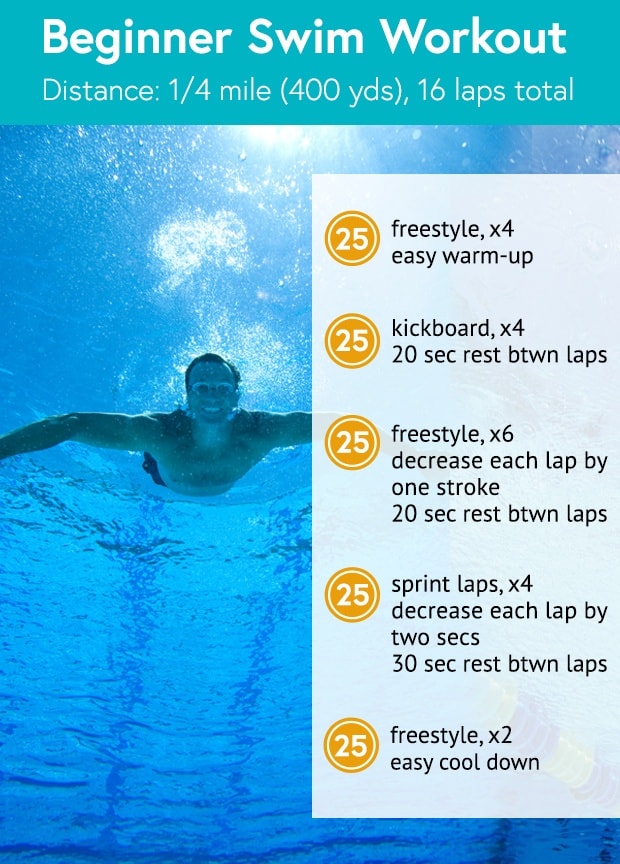
Beginner plans usually include:
Short sessions (20–40 minutes)
Plenty of rest
Simple drills
Easy-to-track goals
Common beginner formats include:
Swimming training plan beginner
Swimming beginner training plan
Beginner freestyle swimming training plan
Swimming training plan for fitness
Many adult beginners tell me:
“This felt like a swimming training plan for beginners, not a test.”
That feeling is important. When beginners feel safe and supported, they stay consistent—and consistency builds progress faster than intensity.
Intermediate Swimming Training Plans
Finding the right intermediate swimming training plan is about bridging the gap between basic fitness and high-level performance. At this stage, you have moved past simply “finishing the laps” and are ready to focus on how you swim them. This phase sits at the intersection of comfort and challenge; you can handle increased volume and more complex pacing, but you still require structured recovery to maintain technique.
What Defines an Intermediate Plan?
While beginner plans focus on building the engine, intermediate plans focus on tuning it. A well-structured swimming training plan intermediate goes beyond yardage and starts introducing the “why” behind every set.
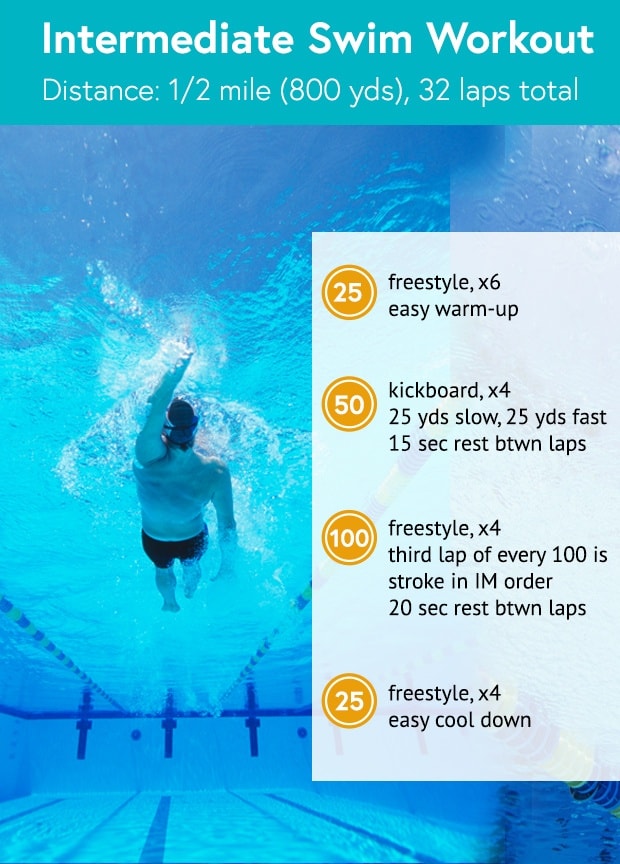
These programs typically feature:
Interval Training: Shifting from continuous swimming to broken sets to maintain a higher average speed.
Mixed Distances: Alternating between short sprints and longer aerobic blocks to build “versatile” endurance.
Targeted Speed Work: Introduction of “threshold” sets that push your heart rate without causing total fatigue.
Strategic Rest Intervals: Using data-driven rest periods (e.g., 15–20 seconds) to ensure every lap remains high quality.
Training with Purpose
Many swimmers find that their progress stalls when they stay in the “beginner” mindset for too long. One swimmer noted:
“I used to just swim for 45 minutes and hope for the best. Once I switched to a swimming interval training plan, my workouts finally had purpose. I wasn’t just tired; I was faster.”
Scaling for Your Goals
Whether you are looking for an intermediate swimming training plan to improve your fitness or an intermediate swimming training plan pdf to take to the pool deck, the goal remains the same: building confidence through consistency.
By tracking metrics like your 100m split times and your perceived exertion, you can ensure the plan is actually working. As your pacing stabilizes and your recovery time drops, you’ll know you’ve outgrown the intermediate phase and are ready to tackle advanced swimming training plan workloads.
Advanced & Competitive Swimming Training Plans
An advanced swimming training plan or a competitive swimming training plan marks the transition from general fitness to peak performance. At this level, the objective is no longer just “getting better”—it is about optimizing every stroke, breath, and second of rest to reach a specific performance ceiling. Because these plans push the human body to its physiological limits, they require a sophisticated balance of high-intensity load and scientific recovery.
The Anatomy of an Advanced Plan
A competitive program is a high-stakes environment where “more” isn’t always “better.” Advanced plans are characterized by:
High Weekly Volume: Unlike intermediate stages, these plans often involve double sessions and significant weekly yardage to build a massive aerobic base.
Pace-Specific Sets: Workouts are designed around specific percentages of race pace, requiring the swimmer to hold precise times (e.g., holding 1:05 per 100m for 10 repetitions).
Physiological Monitoring: Coaches and athletes track metrics like heart rate variability (HRV), sleep quality, and stroke count to ensure the athlete is adapting to the stress rather than breaking down.
Integrated Strength Support: Dryland training becomes mandatory, focusing on explosive power, core stability, and injury prevention to handle the increased load in the water.
Specialized Competitive Paths
Depending on the athlete’s age and goals, these plans vary in their specific focus:
High school swimming training plan: Focuses on seasonal peaks for championships, balancing academic stress with high-intensity yardage.
Age group swimming training plan: Prioritizes technical development alongside aerobic building for growing athletes.
Masters swimming training plan: Tailored for the adult athlete, emphasizing high quality and power while respecting longer recovery needs.
Olympic swimming training plan: The pinnacle of programming, utilizing “tapering” and “periodization” to ensure a peak performance on a specific date.
The Role of Data in Injury Prevention
In the world of elite swimming, the margin for error is razor-thin. One competitive swimmer shared:
“I used to think being tired was a badge of honor. I realized that tracking saved me from overtraining. When my data showed my stroke count increasing while my speed stayed the same, I knew I needed rest, not more laps.”
At this elite level, data acts as a biological “safety net.” By monitoring trends in pace and recovery, swimmers can identify the early warning signs of burnout before they lead to a forced break or injury. Advanced training isn’t just about training harder; it’s about having the data-backed confidence to know exactly when to push and when to pull back.
Endurance & Long Distance Swimming Training Plans
A long distance swimming training plan is fundamentally about sustainability. Unlike sprint-focused programs that prioritize raw power, endurance training is a masterclass in rhythm, pacing, and energy management. Whether you are preparing for a 5km swimming training plan or your first marathon swimming training plan, the goal is to develop a “diesel engine”—one that can maintain a steady output for hours without a mechanical breakdown in technique.
The Pillars of Distance Training
Success in long-distance events isn’t just about swimming more; it’s about swimming smarter. A high-quality endurance swimming training plan focuses on three core pillars:
Pacing Awareness: Learning to identify your “Critical Swim Speed” (CSS)—the maximum pace you can maintain without becoming exhausted.
Energy Economy: Optimizing your stroke to reduce drag. In a distance swimming training plan, a small technical flaw multiplied over 5,000 meters becomes a massive energy drain.
Mental Fortitude: Training the brain to remain focused during long, continuous blocks, often referred to as “the hurt box.”
Tailoring the Plan to Your Event
Distance swimming covers a wide spectrum, from pool-based endurance to the unpredictable nature of the open sea.
Open Water Swimming Training Plan: These plans introduce specific skills like sighting, drafting, and navigating chop, alongside traditional volume building.
1500m Swimming Training Plan: Often considered the “mile” of the pool, this requires a blend of high-end aerobic capacity and a strong finishing kick.
Ironman & Triathlon Swimming Training Plan: These plans must account for “saving the legs” for the bike and run portions. A triathlon swimming training plan usually emphasizes a lower kick frequency and high stroke rate to navigate crowded water.
Using Data to Prevent “Junk Miles”
The biggest mistake distance swimmers make is “garbage yardage”—swimming long distances at a slow, purposeless pace. By using a swimming endurance training plan backed by data, you can track your “pace decay.” If your first 100m is significantly faster than your last, you aren’t building endurance; you’re practicing slowing down.
“When I followed a structured swimming training plan long distance, I stopped focusing on the total yardage and started focusing on my heart rate and stroke count per lap. That’s when the ‘marathon’ distances finally felt reachable.”
Transitioning to the Horizon
As you build volume, remember that recovery is where the actual aerobic adaptation happens. A well-designed plan will include “taper” weeks where volume drops but intensity remains, allowing your muscles to super-compensate before race day.
Triathlon Swimming Training Plans
A swimming training plan for triathlon is unique because it never exists in a vacuum. Unlike pure swimmers, triathletes must balance their time in the water with demanding cycling and running schedules. In this context, “pool speed” is secondary; the true goal is efficiency and confidence. You want to exit the water with a competitive time while feeling fresh enough to tackle the miles ahead.
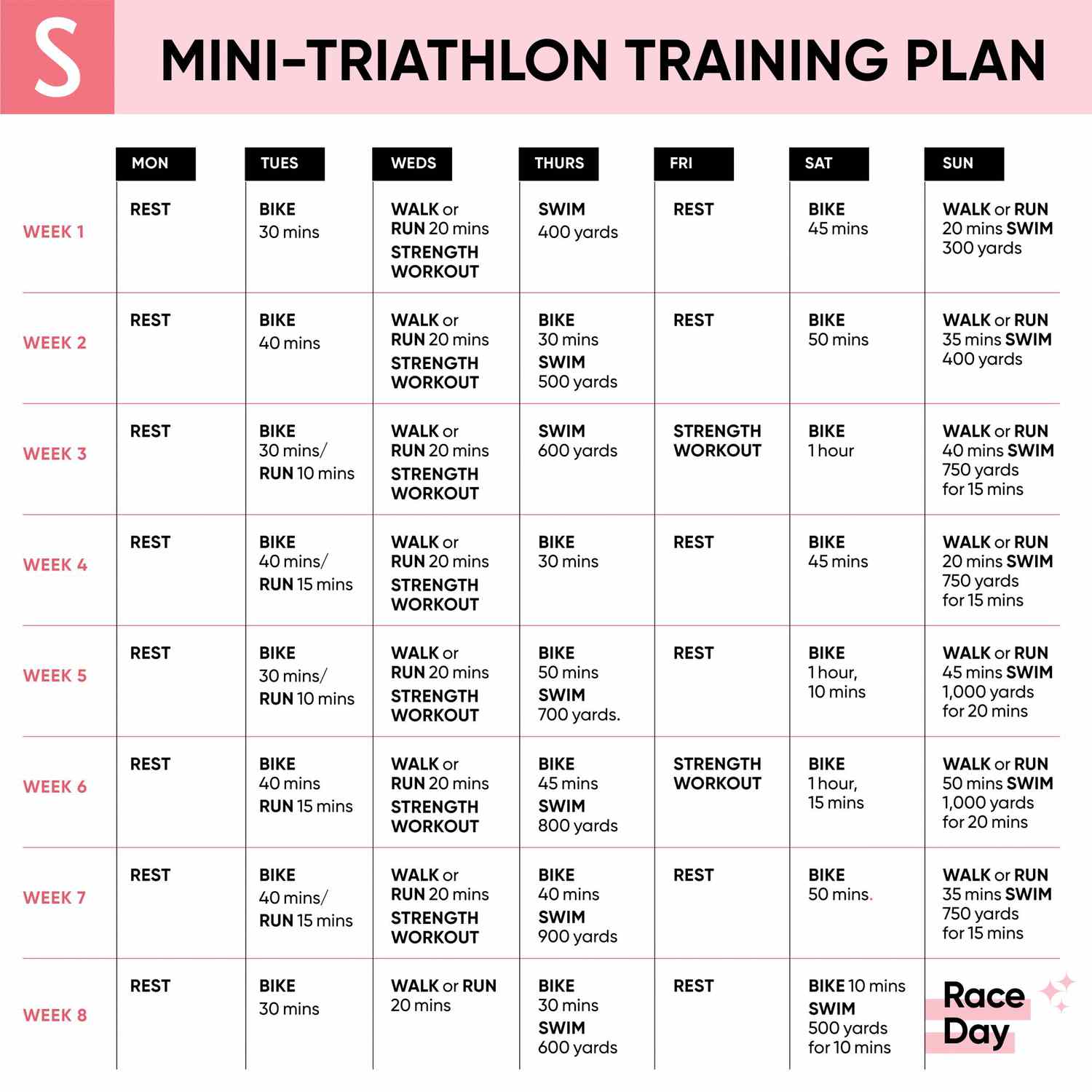
The Efficiency Equation
In a triathlon, the swim usually accounts for only 10–20% of the total race time, yet it can consume a disproportionate amount of energy if your technique is inefficient. A smart swimming triathlon training plan focuses on:
Front-End Technique: Prioritizing a strong “catch” and pull to move more water with less effort.
Low-Energy Kick: Using a 2-beat kick to stabilize the body rather than a 6-beat power kick, which preserves your glycogen stores for the bike and run.
Sighting and Navigation: Integrating open-water skills into pool sessions so you don’t swim extra “junk yardage” by going off-course.
Choosing the Right Distance Plan
Your training volume should mirror your target race. Standard structures include:
Sprint Triathlon Swimming Training Plan: Focuses on high-intensity intervals to handle the chaotic, high-heart-rate start of a short race (750m).
Olympic Distance: Transitions toward aerobic threshold sets to maintain a steady pace over 1,500m.
Half Ironman & Ironman Swimming Training Plan: These are high-volume endurance plans (1.9km–3.8km) that emphasize “active recovery” and rhythm to ensure you finish the swim without muscle cramps.
Swimming Training Plan for Triathlon Beginner: Often starts with “bridge” workouts—alternating swimming and treading water—to build the confidence needed for mass-start anxiety.
Managing the “Triple Threat” Schedule
One of the most common questions is how to fit swimming into a 7-day week. Some athletes even look for a triathlon training plan without swimming during the off-season to focus on their weak links, but for most, consistency is key.
“I used to treat every swim like a race. Once I simplified my swimming training plan for triathlon to focus on stroke efficiency and breathing, my race-day stress dropped significantly.”
The “Fresh Exit” Metric
The best way to track a triathlete’s progress isn’t just the clock—it’s the RPE (Rate of Perceived Exertion) at race pace. If you can swim your target 1,500m pace at an RPE of 6 instead of 8, your training is working. You aren’t just getting faster; you’re becoming a more dangerous competitor on the bike.
Swimming Pool Training Plans & Session Design
A swimming pool training plan breaks weekly goals into daily sessions. Each swimming training session plan should have a purpose.
A strong session includes:
Warm-up
Main set
Cool-down
Session types include:
Technique-focused
Endurance-focused
Speed-focused
Random pool sessions create random results. Structured sessions create predictable improvement.
Example Table: Choosing the Right Swimming Training Plan
| Swimmer Type | Recommended Plan |
|---|---|
| Beginner adult | Beginner swimming training plan |
| Fitness swimmer | Swimming training plan for fitness |
| Triathlete | Swimming training plan for triathlon |
| Endurance swimmer | Long distance swimming training plan |
| Competitive swimmer | Competitive swimming training plan |
Example Table: Plan Length vs Purpose
| Plan Length | Best Use |
|---|---|
| 4 weeks | Restart or beginner |
| 8 weeks | Skill development |
| 10 weeks | Event prep |
| Season-long | Competitive program |
Example Table: What to Track Weekly
| Metric | Why It Matters |
|---|---|
| Distance | Volume control |
| Pace | Performance trend |
| Rest | Fatigue signal |
| Frequency | Consistency |
Blueprint for Success: How to Make a Swimming Training Plan
Learning how to make a swimming training plan is the ultimate way to take ownership of your progress. A custom-built plan is often superior to a generic one because it accounts for your specific strengths, weaknesses, and—most importantly—your schedule.
To build a plan that actually sticks, follow this five-step framework:
Define a Clear Objective: Are you training for a 5km swimming training plan, or is your goal a beginner freestyle swimming training plan? Your goal dictates your intensity.
Determine Your “Training Density”: Be honest about your weekly capacity. It is better to commit to a 4 week swimming training plan at three days a week than to fail at a six-day-a-week program.
Choose a Realistic Timeline: Most physiological adaptations take time. An 8 week swimming training plan or a 10 week swimming training plan is the “sweet spot” for seeing measurable changes in aerobic capacity and speed.
Structure Your Microcycles: Each week should have a focus. For example, Monday might be “Technique/Drills,” Wednesday “Intervals/Pace,” and Saturday “Long/Endurance.”
Identify Your Feedback Loop: Decide which metrics you will track. Use a swimming training plan Garmin sync or a manual log to note your pace and rest intervals.
The reality is that the “perfect” plan doesn’t exist on paper—it is forged in the water. Whether you are following a free swimming training plan you found online, a structured swimming training plan PDF, or a high-tech swimming training plan Garmin routine, the magic isn’t in the document; it’s in the adjustments.
Static plans fail because life isn’t static. Stress, illness, and work schedules will interfere. The swimmers who succeed are the ones who use data to “course-correct.” If your metrics show you are consistently missing your pace targets, a data-driven approach allows you to lower the volume and increase the rest without feeling like a failure.
As one veteran athlete summed it up perfectly:
“The plan didn’t change me. Tracking changed the plan—and that changed everything.”
When you stop guessing and start tracking, you move from “working out” to “training.” That mindset shift is what turns repetitive laps into a clear path toward your goals.
Read more about swimming training here.


